




Embedded devices, particularly digital ones specially designed to assist individuals with disabilities, are often seen as the next step in that particular field of technology. Such embedded devices generally have several advantages over the previous wave of embedded devices that have monitoring functions, control capabilities, and the ability to access and use communication protocols like the internet. The modern embedded applications devices do not stop monitoring, tracking, and relaying information; they almost always directly assist the user, such as a prosthetic limb or a personal transport assistance vehicle.
Advancements in Embedded Devices
Although research on embedded devices – especially programmed computer systems designed to do a limited number of tasks – has been ongoing since the creation of the computer itself, great advances have only been achieved in recent years due to computing and computer developments chip-making technologies. Embedded devices are currently used in various implements ranging from sensors to networking devices to mini-computers for simple computing and calculating tasks.
Embedded Devices in Prosthetics
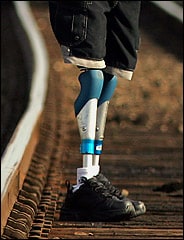
Embedded devices have been used more and more often in prosthetic devices meant for human use. So far, they function as sensors (for detecting terrain and environment changes in prosthetic limbs), minicomputers (for adjusting pressure and other factors according to the environment and user demands), and communication devices (for connecting to a personal computer for monitoring).
Experts and those in the industry believe that such advancements, which made for more natural and usable prosthetic limbs, are partly responsible for the wider acceptance and greater use of prosthetic limbs in the last ten years. Otto Bock Healthcare’s C-Leg, for example, uses several sensors per unit and is currently one of the most widely used prosthetic limbs in the United States.
Embedded devices have also gone beyond prosthetic legs and arms, now finding wider and wider use in items such as prosthetic ears.
Embedded Devices in Vehicles
Embedded devices used in vehicles for the disabled are also seeing great advances. Regarding the past as an added feature or as a top-of-the-line add-on, embedded devices are now standard in wheelchairs and other personal transport vehicles.
Previously used solely for steering mechanisms in electric wheelchairs, more sophisticated embedded devices are now being used in personal transport vehicles. Wheelchairs like Otto Bock Healthcare Super Four have built-in navigation systems and sensors to monitor the user’s health and overall condition.
I really think that in the near future an important part of robotics research work will be dedicated to medical care
Nothing spectacular inside of these things… actual C-Leg uses technology from 1995… And they need to get more reliable. I’ve worked there in Austria….